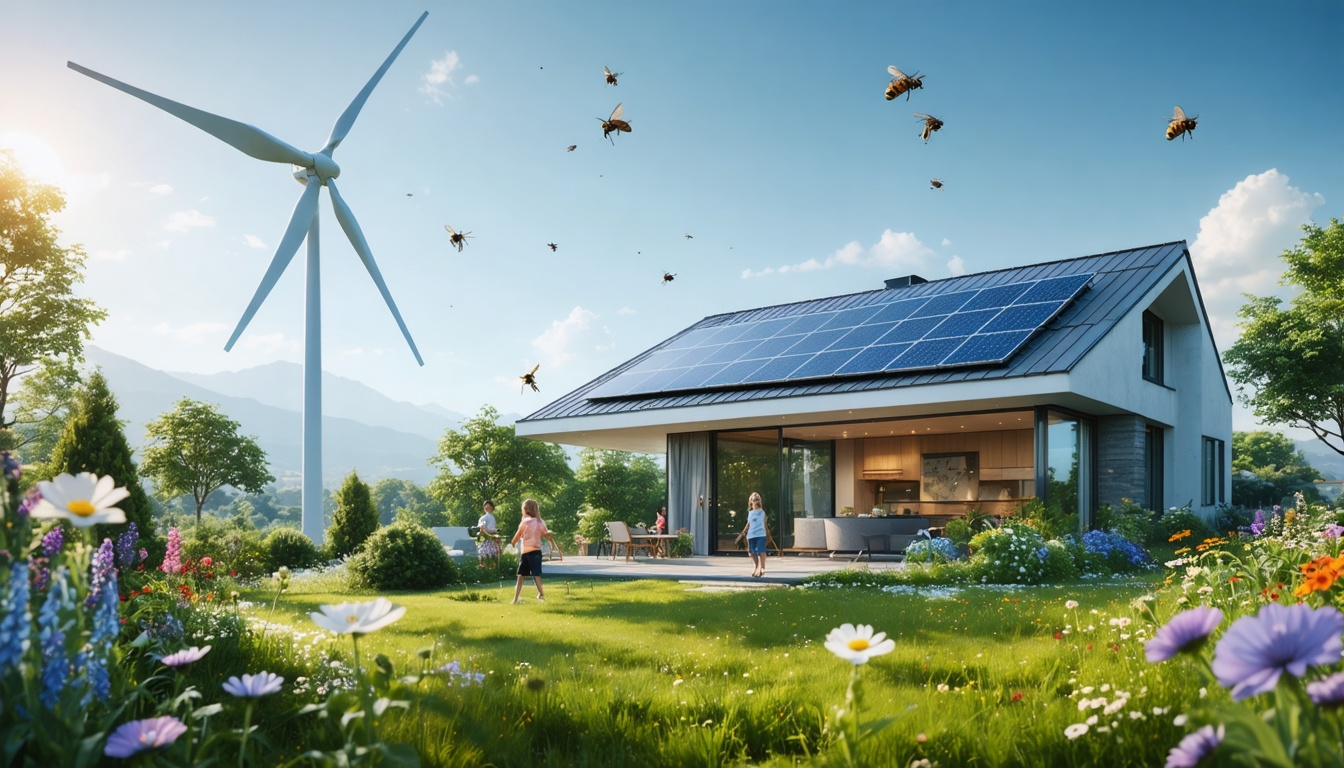
Switching to renewable energy at home can lead to several measurable environmental advantages. Firstly, the use of renewable sources such as solar, wind, and hydroelectric energy can significantly reduce greenhouse gas emissions when compared to fossil fuel-based energy. These emissions, primarily carbon dioxide, contribute to global warming and air pollution. Additionally, renewable energy systems often require fewer resources to maintain and operate over time. This can lead to a decreased reliance on non-renewable energy resources, which are finite and contribute to habitat destruction and resource depletion. For instance, the extraction of coal and oil can disrupt local ecosystems. Using renewable energy can also benefit local economies. Investments in renewable energy infrastructure often create jobs in manufacturing, installation, and maintenance, which can be particularly impactful in communities that may be reliant on declining fossil fuel industries. It's also important to note that renewable energy contributes to improved air quality. By reducing reliance on fossil fuels, which release pollutants harmful to human health, regions that implement renewable energy can experience lower rates of respiratory and cardiovascular diseases associated with air pollution. In summary, choosing renewable energy for home use can lead to reduced emissions, conservation of resources, economic benefits for local communities, and improved air quality. Each of these factors contributes to a more sustainable and environmentally friendly future. Before making a decision, it is advisable to consider the specific context and potential impacts based on local resources and infrastructure.
Acquiring an understanding of renewable energy sources is essential for individuals considering an eco-friendly transition in their homes. Renewable energy comes from natural resources such as wind, solar, and hydropower and typically results in lower greenhouse gas emissions during electricity generation. For those exploring options like Residential Solar Panels in Elizabeth, this shift can contribute to a reduction in carbon dioxide and other greenhouse gas emissions, potentially leading to better environmental outcomes.
The transition to renewable energy sources can also have implications for job creation within the United States and may support the development of a sustainable economy. Key technologies, including heat pumps and electric vehicles, are designed to operate more efficiently when powered by cleaner electricity, thereby enhancing their environmental benefits.
Financial incentives, such as tax credits, are available to facilitate the installation of renewable energy technologies.
The adoption of renewable energy on both individual and community levels can significantly impact carbon and air pollution levels, which can lead to improvements in overall air quality. It is important to consider these factors when evaluating the feasibility and potential benefits of renewable energy sources.
The transition to renewable energy sources is primarily associated with the aim of reducing greenhouse gas emissions. By implementing renewable technologies such as solar panels, wind turbines, and heat pumps, households can lower their carbon footprints.
Electricity generated from these sources contributes minimal to no greenhouse gas emissions, which stands in stark contrast to fossil fuels that produce significantly higher levels of carbon dioxide.
This shift toward renewable energy is crucial for moving towards a Net Zero economy. It plays an important role not only in decreasing emissions but also in creating jobs within the renewable energy sector and promoting sustainable energy production.
As nations, including the United States, work to address climate change, a systematic reduction of annual carbon dioxide emissions becomes increasingly necessary.
The transition to renewable energy sources, including solar, wind, and other technologies, plays a significant role in improving air quality in residential areas. Compared to fossil fuels, renewable energy sources generate substantially lower levels of air pollutants.
Households that adopt renewable energy systems—such as solar panels, heat pumps, wind turbines, and electric vehicles—contribute to local air pollution reduction and a decrease in carbon dioxide emissions.
Shifting away from fossil fuel power plants and traditional heating systems is essential in minimizing greenhouse gas emissions linked to electricity generation. Studies suggest that this transition can lead to a reduction in air pollutant levels by as much as three times when compared to fossil fuel dependency.
Furthermore, the consistent use of renewable energy sources can significantly affect annual carbon emissions on a larger scale.
These developments support broader goals aimed at achieving a Net Zero economy in the United States, highlighting the impact of individual actions on urban air quality and climate change mitigation efforts.
Thus, integrating renewable energy solutions at the household level represents a practical approach to enhancing air quality and addressing environmental concerns.
Renewable energy contributes significantly to water conservation, a factor that is frequently overlooked in discussions about its environmental advantages. The utilization of cleaner energy sources such as solar panels, wind turbines, and heat pumps can lead to a notable decrease in annual water consumption when compared to traditional fossil fuel power plants. This transition not only aids in the conservation of water resources but also helps reduce carbon dioxide emissions.
Renewable energy sources primarily harness natural resources with minimal to no greenhouse gas emissions, which can help alleviate the environmental challenges related to water use in energy generation.
The ongoing transition towards renewable energy in the United States complements initiatives aimed at achieving Net Zero emissions and fostering advancements in electricity technologies. These initiatives are associated with job creation and can also enhance air quality, addressing issues related to carbon emissions and climate change.
In summary, the integration of clean energy technologies presents a comprehensive strategy for promoting environmental sustainability. It emphasizes improvements in air quality and water conservation, which are essential for supporting long-term ecological health.
Utilizing renewable energy sources in residential settings plays a significant role in the preservation of ecosystems and biodiversity. The transition from fossil fuels to alternative energy sources, such as solar panels, wind turbines, and heat pumps, contributes to a decrease in air pollution, greenhouse gas emissions, and carbon dioxide concentrations.
Importantly, these renewable energy technologies typically require little to no water for their operation, resulting in a substantial reduction in water usage—often by a factor of nearly three compared to traditional power plants.
The movement towards renewable energy entails various environmental advantages, including habitat conservation, improved air quality, and mitigation of climate change impacts.
Additionally, the growth of the renewable energy sector presents potential job creation opportunities within the context of a Net Zero economy, which is increasingly gaining traction both in the United States and internationally.
This examination highlights the importance of implementing sustainable energy practices as a strategic measure for environmental protection and economic development.
Transitioning to renewable energy sources within a household has the potential to considerably reduce overall carbon emissions, supporting broader environmental objectives. Options such as installing solar panels or participating in local wind power initiatives can lead to a significant annual reduction in carbon dioxide emissions, with estimates suggesting reductions of up to 80%.
Achieving such reductions is particularly important for the United States and other countries working towards Net Zero targets.
Utilizing renewable energy sources alongside electric vehicles can reduce reliance on fossil fuels and lower greenhouse gas emissions. The implementation of sustainable technologies, including heat pumps and wind turbine electricity generation, may result in minimal to no greenhouse gas emissions.
Furthermore, the transition to renewable energy can facilitate job creation, improve air quality, and aid in the conservation of natural resources.
In summary, these strategies offer a pragmatic approach to mitigating the impacts of climate change, enhancing household practices in alignment with broader environmental goals.
Improving the energy efficiency of residential buildings can lead to lower utility costs and a reduced environmental footprint. The implementation of technologies such as heat pumps and energy-efficient solar panels can lower both electricity and heating consumption, contributing to the national objective of achieving Net Zero emissions in the United States.
Upgrading appliances and installing energy-efficient lighting can help further reduce energy expenditures and diminish annual carbon dioxide emissions.
Smart thermostats are one example of a technology that can optimize heating and cooling systems, leading to decreased reliance on fossil fuels and reduced strain on power plants. Additionally, these upgrades may improve indoor air quality in urban environments.
These initiatives reflect a more judicious use of natural resources and represent progress toward the adoption of renewable energy solutions.
They facilitate a shift toward a more sustainable economy characterized by lower greenhouse gas emissions.
Air pollution presents notable health challenges, thereby making the integration of renewable energy into residential areas an effective strategy to mitigate exposure to harmful pollutants. The implementation of technologies such as solar panels, wind turbines, and heat pumps can enable homeowners to lessen their reliance on fossil fuels, which are a leading cause of carbon dioxide and other greenhouse gas emissions that degrade air quality.
In contrast to fossil fuels, renewable energy sources generally emit little to no greenhouse gases during electricity generation. This transition can contribute to improvements in air quality within the United States and in other countries, while also supporting broader environmental objectives, such as the goal of achieving Net Zero emissions.
Moreover, utilizing cleaner energy alternatives, which are sourced from natural resources, may lead to diminished carbon emissions. These emissions are often associated with respiratory health problems linked to traditional fossil fuel-based power generation.
Therefore, moving toward renewable energy represents a pragmatic measure aimed at promoting public health and fostering environmental sustainability.
Investing in renewable energy at home is closely linked to local environmental sustainability through reduced dependence on fossil fuels and improvements in air and water quality.
Technologies such as solar panels, heat pumps, and wind turbines produce electricity with minimal greenhouse gas emissions, contributing to a reduction in carbon dioxide and other air pollutants in urban environments. These initiatives support broader goals such as achieving Net Zero emissions and implementing Sustainable Action plans.
Utilizing renewable energy for electricity and heating can lower the demand for energy from non-renewable power plants, which are significant sources of air pollution. This transition may result in improved air quality and help address the effects of climate change.
Furthermore, the shift toward renewable energy sources can yield economic advantages. It often generates job opportunities in the installation and maintenance sectors while also promoting the conservation of natural resources for future generations.
Transitioning to renewable energy sources at home can offer long-term health benefits for households and communities. The adoption of technologies such as solar panels, wind turbines, and heat pumps can reduce dependence on fossil fuels, which in turn decreases the emission of carbon dioxide and other air pollutants. According to estimates, these pollutants are linked to approximately seven million premature deaths each year worldwide.
The enhancement of air quality through the utilization of cleaner electricity and heating derived from renewable sources can potentially lead to reduced healthcare costs at local and national levels. This is particularly significant in urban environments, where the health risks associated with air pollution tend to be more acute.
Additionally, the pursuit of sustainable practices, including achieving net-zero electricity generation and increasing the use of electric vehicles, plays a role in lessening the negative impacts of climate change. Investments in renewable energy not only support environmental goals but also promote job growth, strengthen supply chain resilience, and align with the climate objectives established by the United States.
In conclusion, transitioning to renewable energy is linked to both environmental benefits and positive implications for public health and economic stability.
Choosing renewable energy at home contributes positively to the environment in several measurable ways. It reduces your carbon footprint by decreasing reliance on fossil fuels, which are major contributors to greenhouse gas emissions. This shift can lead to improved air quality, as renewable energy sources typically release little to no pollutants. Additionally, renewable energy utilization helps conserve natural resources. For instance, solar and wind energy rely on natural processes that are sustainable over time, whereas fossil fuel extraction can be destructive to ecosystems and deplete finite resources. Supporting renewable energy can also enhance energy security by diversifying energy sources and reducing dependence on imported fuels. This diversification can mitigate risks associated with price volatility and supply disruptions. Furthermore, the transition to renewable energy has implications for public health, as cleaner energy sources are associated with fewer respiratory problems and other health issues linked to air pollution. Overall, adopting renewable energy contributes to sustainable development by promoting practices that are environmentally friendly and economically viable. Each choice made towards renewable energy adoption impacts the larger framework of energy production and consumption, fostering a more sustainable future.